
When you come across the keyword “https //www.microsoft.com /ink,” you are essentially stepping into the world of Microsoft’s digital inking ecosystem. While the URL itself points to Microsoft’s official Ink platform, what it represents goes far beyond a webpage. It symbolizes Microsoft’s commitment to transforming how we write, draw, annotate, and interact with digital devices.
Microsoft Ink is not just about scribbling on a screen with a stylus. It is a fully developed inking framework built into Windows that enables natural handwriting, sketching, note-taking, and annotation across apps and devices. From students taking notes on a Surface device to designers drafting wireframes, Microsoft Ink brings pen-and-paper simplicity into the digital age.
In this detailed guide, we will break down everything you need to know about Microsoft Ink—how it works, where it’s used, its core features, practical applications, and why it continues to shape the future of digital interaction.
What Is Microsoft Ink and What Does https //www.microsoft.com /ink Represent?
At its core, Microsoft Ink is a digital inking platform built into Windows. The official page at “https //www.microsoft.com /ink” serves as the gateway to information about how Windows supports pen input, stylus features, handwriting recognition, and creative drawing tools. It highlights the integration between hardware (like Surface devices and compatible pens) and software (Windows Ink Workspace and compatible apps).
Microsoft Ink was introduced to make digital input more intuitive. Traditional computing relied heavily on keyboards and mice. Microsoft recognized that human communication is often more natural through writing and drawing. By incorporating pen input deeply into the Windows operating system, they allowed users to interact with devices in a more fluid and expressive way.
The platform supports pressure sensitivity, tilt detection, palm rejection, and handwriting-to-text conversion. These capabilities make it feel less like a stylus-on-glass experience and more like writing on paper. The URL represents not just a feature, but an entire ecosystem designed for creativity, productivity, and precision.
The Evolution of Digital Inking in Windows
Digital inking didn’t appear overnight. Microsoft has been experimenting with pen-based computing since the early Tablet PC days in the 2000s. However, the technology truly matured with the introduction of Windows 10 and the Windows Ink Workspace.
Initially, stylus input felt limited and sometimes inaccurate. Early systems lacked strong handwriting recognition and seamless integration across applications. But over time, Microsoft refined the experience by enhancing responsiveness, improving recognition algorithms, and collaborating with hardware manufacturers.
With Windows Ink Workspace, Microsoft centralized pen-based tools such as Sticky Notes, Sketchpad, and Screen Sketch. This gave users quick access to essential inking features. Over the years, improvements in AI-driven handwriting recognition have allowed written notes to be converted into editable text with impressive accuracy.
Today, digital inking is not just a niche feature. It is a mainstream tool used in education, enterprise, creative industries, and remote collaboration environments. The Microsoft Ink ecosystem has grown into a reliable and sophisticated framework.
Core Features of Microsoft Ink
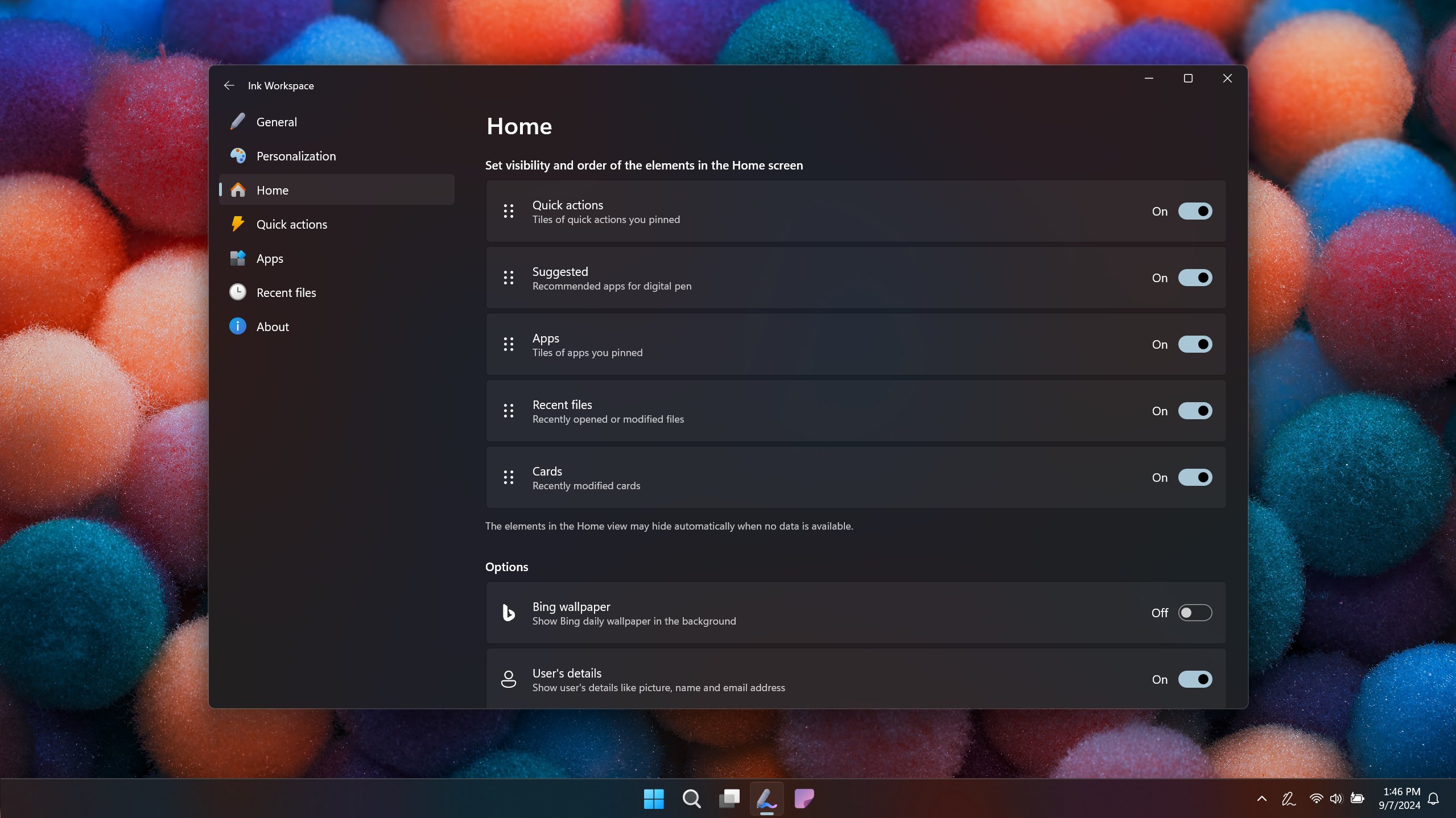
One of the biggest strengths of https //www.microsoft.com /ink is its rich feature set. It is not limited to drawing apps; instead, it works system-wide across compatible applications.
First, there is handwriting recognition. Users can write directly into text fields using a stylus, and Windows converts handwriting into typed text in real time. This is particularly useful for note-taking, form-filling, and quick annotations.
Second, Microsoft Ink supports pressure sensitivity and tilt functionality. Artists and designers benefit greatly from this because strokes can vary in thickness depending on how hard the pen is pressed or at what angle it is held. This mimics traditional drawing tools like pencils and brushes.
Third, there is palm rejection technology. When writing on a touchscreen device, resting your palm naturally on the screen does not interfere with input. This small but crucial feature makes the writing experience feel authentic and comfortable.
Beyond these basics, Microsoft Ink integrates with Microsoft Office apps, OneNote, Whiteboard, and third-party creative tools. The ecosystem is designed to be flexible, allowing developers to build inking capabilities into their own applications.
Microsoft Ink in Productivity and Education
Microsoft Ink has become particularly valuable in education and professional environments. In classrooms, students can annotate lecture slides, take handwritten notes, and sketch diagrams directly on their devices. This reduces the need for physical notebooks while maintaining the cognitive benefits of handwriting.
Research has shown that handwriting improves memory retention compared to typing. Microsoft Ink bridges the gap by allowing digital storage without sacrificing the benefits of manual writing. Notes can be organized, searched, and synced across devices through OneNote and other Microsoft services.
In business settings, professionals use digital inking for brainstorming sessions, document markups, and real-time collaboration. For example, during virtual meetings, participants can annotate shared screens or whiteboards to explain concepts visually.
Legal, architectural, and engineering professionals also benefit from quick document markups. Instead of printing contracts or blueprints, they can review and annotate directly on a touchscreen device, saving both time and resources.
Creative Applications and Artistic Potential
For creatives, Microsoft Ink offers far more than basic note-taking. With applications like Microsoft Whiteboard, Fresh Paint, and other compatible design tools, artists can produce detailed digital artwork.
The pressure sensitivity and tilt features make sketching feel natural. Designers can create wireframes, storyboards, or concept art directly on their devices. The digital format allows for easy editing, undo functionality, and layer management in advanced creative apps.
Moreover, digital inking simplifies sharing. Artists can instantly export their work, collaborate with team members, or present their designs during client meetings. This seamless workflow enhances productivity without limiting creativity.
Another important aspect is accessibility. Digital inking allows individuals with different working styles to express ideas visually rather than relying solely on typed text. This makes creative collaboration more inclusive and dynamic.
Hardware Compatibility and Devices
Microsoft Ink works best when paired with compatible hardware. Surface devices, such as the Surface Pro and Surface Laptop Studio, are specifically optimized for pen input. These devices offer high-resolution touchscreens and precise stylus tracking.
However, Microsoft Ink is not limited to Surface hardware. Many third-party manufacturers produce Windows-compatible laptops and tablets that support stylus input. As long as the device supports Windows Ink and meets hardware requirements, users can access the platform’s features.
The Microsoft Surface Pen and similar styluses are designed with ergonomic precision. Features like customizable buttons and low-latency performance contribute to a smooth writing experience. Some pens even include haptic feedback to simulate the sensation of writing on textured paper.
Choosing the right hardware significantly enhances the Microsoft Ink experience. A high-quality pen and responsive display make digital inking feel seamless and natural.
Integration with Microsoft Office and Ecosystem
One of the strongest advantages of Microsoft Ink is its deep integration with Microsoft Office. In Word, users can annotate documents directly. In Excel, they can highlight data and write notes over spreadsheets. In PowerPoint, presenters can draw attention to specific elements during live presentations.
Microsoft OneNote is perhaps the most powerful companion for inking. It allows users to combine typed text, handwritten notes, audio recordings, and images in one place. Handwritten content can even be searched thanks to intelligent recognition features.
Microsoft Teams and Whiteboard also leverage inking capabilities for collaborative work. During remote meetings, participants can brainstorm visually, making virtual communication more engaging and effective.
This ecosystem-wide integration ensures that Microsoft Ink is not an isolated feature. Instead, it is embedded throughout the productivity tools that millions of people use daily.
The Future of Digital Inking Technology
Digital inking is evolving rapidly. As artificial intelligence improves, handwriting recognition will become even more accurate. We can expect smarter conversion of handwritten math equations, diagrams, and structured notes into organized digital content.
There is also growing interest in immersive computing environments. With the rise of augmented and mixed reality, digital inking may extend beyond flat screens into 3D spaces. Imagine sketching designs in mid-air or annotating holographic models during collaborative sessions.
Microsoft continues to refine the inking experience through Windows updates and hardware advancements. Lower latency, better battery efficiency, and improved pen responsiveness are ongoing priorities.
The URL “https //www.microsoft.com /ink” represents not just a feature page but a long-term vision. It symbolizes Microsoft’s effort to make human-computer interaction more intuitive, creative, and natural.
Final Thoughts on https //www.microsoft.com /ink
Microsoft Ink has fundamentally changed how users interact with digital devices. By blending handwriting, drawing, and traditional computing, it provides a flexible and powerful alternative to keyboard-only input.
From students and educators to designers and business professionals, Microsoft Ink supports a wide range of use cases. Its integration across Windows and Microsoft applications ensures a cohesive experience that enhances both productivity and creativity.
As digital transformation continues, tools like Microsoft Ink will play an even bigger role in shaping modern workflows. Whether you are taking notes, drafting ideas, or creating artwork, the Microsoft Ink ecosystem offers a refined and future-ready solution.