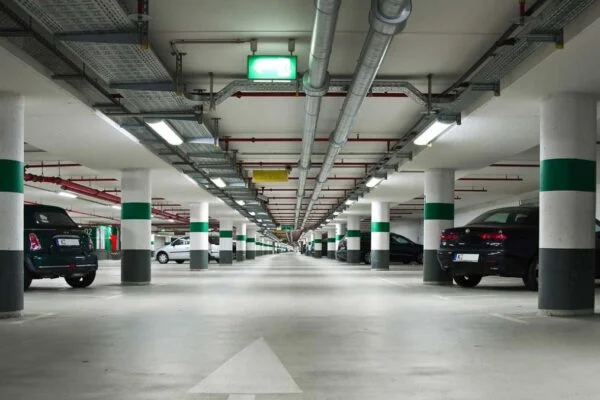
Introduction to VRR Parking
VRR Parking has become one of the biggest challenges in modern cities. As urban areas grow and the number of vehicles increases, traditional parking systems often fail to keep up with demand. This is where VRR parking comes into play. VRR parking represents a smarter, more organized approach to managing parking spaces, making the process easier for both drivers and parking operators.
At its core, VRR parking focuses on optimizing parking space usage through better planning, monitoring, and technology integration. Instead of drivers wasting time searching for available spots, systems help guide them directly to open spaces. This reduces congestion, saves time, and improves the overall driving experience in busy areas.
Another major advantage of VRR parking is efficiency. With the help of digital tools, sensors, and intelligent systems, parking facilities can monitor availability in real time. This means drivers can quickly find parking without unnecessary stress, while operators can maximize the use of their parking infrastructure.
How VRR Parking Works
The concept behind VRR parking is fairly straightforward, but its implementation involves several advanced systems working together. Typically, a system uses sensors, cameras, or software to track which parking spots are occupied and which are available. This data is then processed and displayed to drivers through apps, screens, or digital signage.
For example, when a vehicle enters a VRR-enabled parking facility, the system can automatically detect available spots and guide the driver to the nearest one. In many cases, drivers can even reserve parking in advance using mobile applications. This eliminates the need to circle around parking lots looking for a space.
Additionally, VRR parking systems often include automated payment options. Instead of dealing with cash machines or manual ticket systems, drivers can pay through apps, contactless cards, or digital kiosks. This makes the entire parking process faster, smoother, and more convenient for everyone involved.
Benefits of VRR Parking for Drivers
One of the biggest advantages of VRR parking for drivers is the time it saves. Searching for parking can be frustrating, especially in crowded urban areas. With , drivers can quickly locate available spots and park without unnecessary delays. This leads to a more relaxed and efficient driving experience.
Another important benefit is reduced stress. Anyone who has driven in a busy city knows how difficult it can be to find parking. By providing real-time information about available spaces, removes much of the uncertainty that drivers usually face when looking for parking.
VRR parking can also help reduce fuel consumption. When drivers spend less time circling parking lots or driving around blocks searching for a spot, they naturally use less fuel. Over time, this can lead to cost savings for drivers while also benefiting the environment.
Benefits of VRR Parking for Parking Operators
While VRR parking greatly improves the experience for drivers, it also offers significant advantages for parking operators and facility managers. One of the most important benefits is improved space utilization. With real-time monitoring and data analysis, operators can ensure that parking spaces are used as efficiently as possible.
Another advantage is increased revenue potential. Because VRR parking systems make parking easier and more convenient, more drivers are likely to use these facilities. Operators can also introduce flexible pricing models, such as dynamic pricing based on demand, which helps maximize profits while maintaining fair pricing.
Additionally, reduces operational challenges. Traditional parking facilities often require manual monitoring, ticket handling, and staff involvement. With automated systems in place, many of these tasks can be handled digitally, reducing labor costs and minimizing the chances of human error.
Technology Behind VRR Parking
Technology plays a crucial role in making VRR parking possible. Most modern VRR systems rely on a combination of sensors, cameras, and cloud-based software to track parking availability. These technologies work together to provide accurate, real-time information about the status of each parking space.
Mobile applications are also a key part of the ecosystem. Drivers can use these apps to locate parking facilities, check availability, reserve spots, and make payments. This level of convenience significantly improves the overall user experience and encourages more people to adopt the system.
Data analytics is another important component of VRR parking technology. By collecting and analyzing parking data, operators can identify usage patterns, peak hours, and demand trends. This information allows them to make better decisions about pricing, expansion, and overall parking management strategies.
The Future of VRR Parking
As cities continue to grow and traffic congestion increases, solutions like VRR parking will become even more important. Urban planners and transportation experts are already exploring ways to integrate systems with broader smart city initiatives. This means parking systems could eventually communicate with traffic lights, navigation apps, and public transportation networks.
In the future, VRR parking may also integrate with autonomous vehicles. Self-driving cars could automatically locate available parking spots, park themselves, and even leave the parking area when called by their owners. This would dramatically improve parking efficiency and reduce the need for large parking spaces in city centers.
Sustainability is another area where VRR parking can make a major impact. By reducing the time vehicles spend searching for parking, cities can lower emissions and improve air quality. As environmental concerns become more important worldwide, smart parking solutions like will play a key role in creating cleaner and more efficient urban environments.
Conclusion
VRR parking represents a significant step forward in the way parking systems are designed and managed. By combining technology, data analysis, and user-friendly tools,makes the parking experience easier for drivers while improving efficiency for operators.
The benefits of VRR parking extend beyond convenience. It helps reduce traffic congestion, saves time, lowers fuel consumption, and supports smarter urban planning. As more cities adopt intelligent transportation solutions, VRR parking is likely to become a standard feature of modern parking infrastructure.
In a world where time and efficiency matter more than ever, systems like provide a practical solution to one of the most common problems drivers face. With continued innovation and adoption, has the potential to transform how cities manage parking for years to come.